Good Reads
The books I keep going back to, and what each one changed for me. Mostly psychology, product and design.
These are the books that actually changed how I think. Not everything I have read, just the ones I keep coming back to.
The full shelf is on Goodreads.
Psychology
This is where I started, and it is still the part I read the most.
I am not a bio major and I did not come to this from science. I wanted a high level understanding of what actually happens in the head, enough to do things better.
Your Brain at Work by David Rock
The one that started it for me.
I was struggling with prioritization at the time. My instinct was always to push harder when something was not working. This book is what made me see that pushing myself in a worse way does not get me anywhere. It is better to understand how attention and energy already work, and then arrange things around that.
That shift did more for me than any productivity system I had tried.
Predictably Irrational by Dan Ariely
Same thread, different angle. We make the same mistakes in the same directions, and often enough that you can predict them.
Incognito by David Eagleman
Most of what your brain does never reaches you. You get the summary, after the fact.
I wrote about this one separately in You Are Less in Control Than You Think.
Hooked by Nir Eyal
This one is less about understanding yourself and more about how products get built around these same habits. Worth reading if you build anything people come back to.
I did a TL;DR of the Hook Model if you want the short version first.
Building things
The Mom Test by Rob Fitzpatrick
This one argues almost the opposite of what I wrote in Why Product Vision Should Trump Market Demands, and I still think it is worth reading.
The idea is simpler and easier to stand behind. If you already have strong conviction about how something is going to go, build it. But if you are still in the questioning phase, asking people what their actual problem is will get you further than telling them how they should be solving it.
Most of the time you are in the questioning phase.
Tiny Experiments by Anne-Laure Le Cunff
One of the best things I have read recently. It lines up with how I already try to work: run more experiments, stay out of the purely theoretical.
Paul Graham Essays, Volume 1
I have read some of these rather than all of them, which I think is the right way to read essays anyway. Pick one, sit with it.
I pulled from these in How to Do Great Work.
Design
The Design of Everyday Things by Don Norman
Don't Make Me Think by Steve Krug
Taking these together, because they made the same point land for me.
Both are about making things simpler and clearer. Build for the person actually using it, not for how it looks in a demo, and keep your own preferences out of the way.
Mythology
I love mythology and history. The Ramayana, the Mahabharat and the Bhagavad Gita are ones I keep going back to.
Also
For programming books specifically, I have a separate list in Essential Books for Aspiring World-Class Programmers.
A few PDFs I host, if they are useful to you:
Related reading
 Universe Theories, From the Big Bang to the Dark ForestAug 2026
Thirty-one ideas about how the universe began, what it is made of, whether it is the only one, why space looks empty, and how it ends.
Think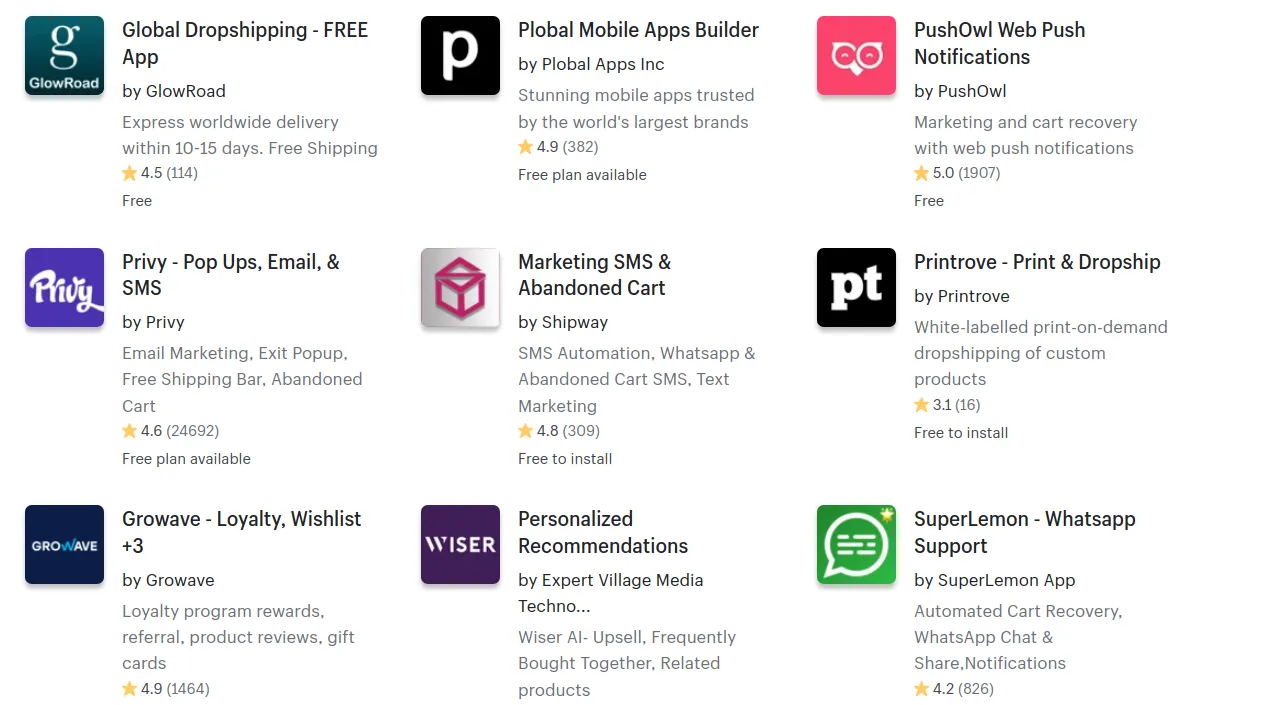 Listing Your App on the Shopify App StoreNov 2021
The review requirements and listing details that catch you out the first time you submit a Shopify app.
Work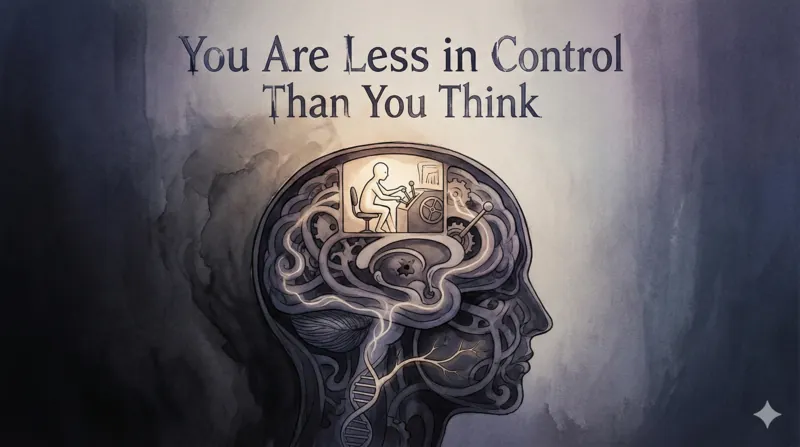 You Are Less in Control Than You ThinkJan 2026
What neuroscience reveals about choice, behavior, and the illusion of free will.
Think