The AI Internet Protocol Stack
llms.txt and MCP are forming the foundational layers of an AI-native internet protocol stack
From llms.txt to MCP, we’re witnessing the early layers of an emerging AI-native internet protocol stack.
llms.txt and MCP feel like the beginning of a new kind of protocol stack — one designed not for humans, but for AI.
Just like HTTP and TCP/IP made the web readable and writable for people, these new standards are doing the same for agents. They're giving AIs a shared language to understand what tools are available, what they’re allowed to do, and how to carry out actions on our behalf.
As more of these conventions emerge and gain adoption, the network doesn’t just grow — it evolves. We unlock a layer of interoperability where agents can talk to each other, delegate tasks, and orchestrate workflows across APIs and services. That’s when things get really interesting.
We're not just shipping apps anymore.
We’re laying the groundwork for an AI-native internet.
🧠 Explore the Protocols
- llms.txt – A robots.txt for AI
- Model Context Protocol (MCP)
- Delegate Protocol – ernstberger.xyz
- Introducing AX – biilmann.blog
As the stack matures, we’ll need new protocols for key infrastructure:
Authentication, payments, capability negotiation, and trust.
Because when agents act on your behalf, security and alignment aren’t features — they’re fundamentals.
Related reading
 Why AI Keeps Writing "Source-Backed" Into Your CopyAug 2026
Ask a model for one headline and it never happens. Ask for ten options, which is what everyone actually does, and a quarter of analytical products hand you one about sources.
AI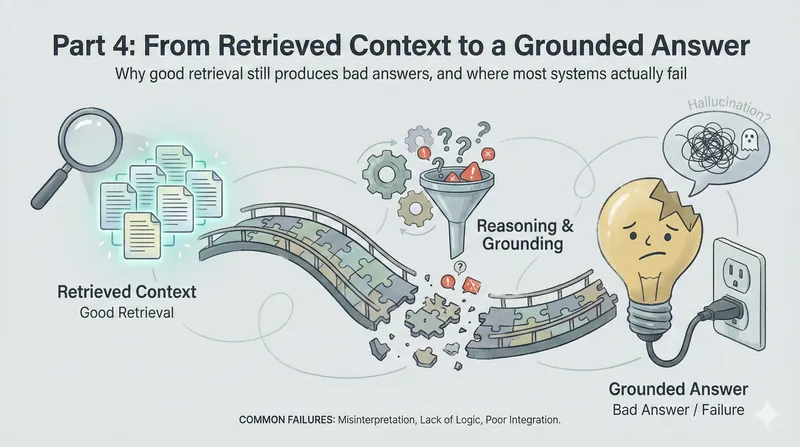 Part 4: From Retrieved Context to a Grounded AnswerJan 2026
Why good retrieval still produces bad answers, and where most systems actually fail
AI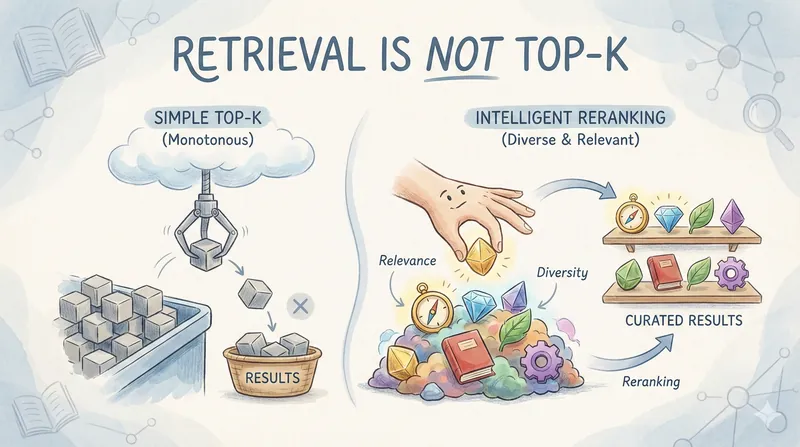 Part 3: Retrieval Is Not Top-KJan 2026
Relevance, diversity, reranking, and why most systems return the wrong things for the right reasons
AI